Exploring Art: From Architecture to Canvas
Art is a universal language that transcends boundaries and speaks to the soul. It manifests in various forms, from the towering structures of architecture to the delicate strokes on a canvas. This blog post will take you on a journey through the diverse realms of art, exploring how different mediums express creativity and culture.
The Essence of Architecture
Architecture is often considered the most public form of art. It shapes our cities and influences our daily lives. The design of a building can evoke emotions, tell stories, and reflect the values of a society.
Historical Significance
Throughout history, architecture has played a crucial role in defining civilizations. For example, the Pyramids of Giza not only served as tombs for pharaohs but also demonstrated the Egyptians' advanced understanding of engineering and mathematics. Similarly, the Colosseum in Rome stands as a testament to the grandeur of the Roman Empire, showcasing their architectural prowess and cultural values.
Modern Architectural Marvels
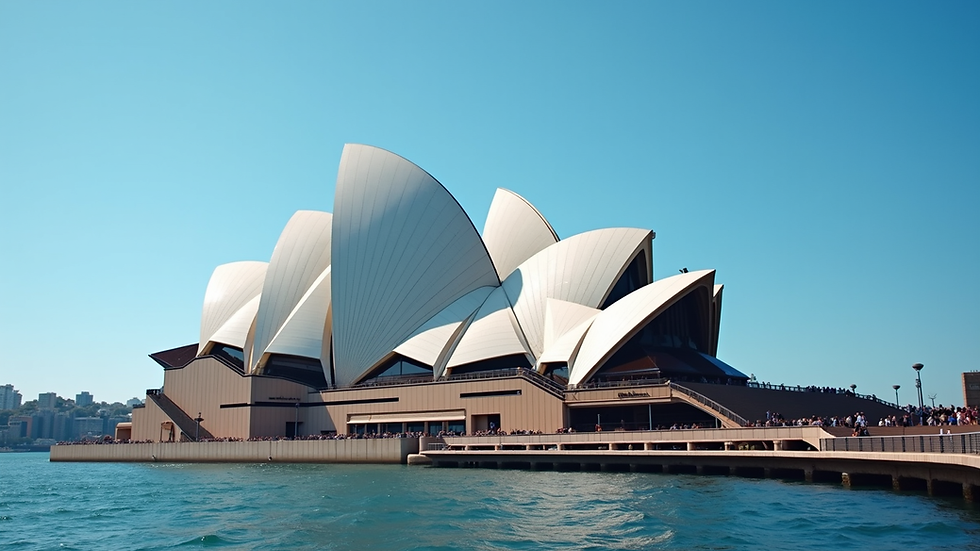
In contemporary times, architecture continues to evolve. Structures like the Burj Khalifa in Dubai and the Sydney Opera House are not just functional spaces; they are iconic symbols of innovation and creativity. These buildings challenge traditional design concepts and push the boundaries of what is possible.
The World of Painting
While architecture provides a backdrop for our lives, painting captures moments, emotions, and ideas on canvas. This art form has a rich history, with styles and techniques evolving over centuries.
The Evolution of Painting Styles
From the realism of the Renaissance to the abstract expressions of the 20th century, painting has undergone significant transformations. Artists like Leonardo da Vinci and Vincent van Gogh have left indelible marks on the art world, each contributing unique perspectives and techniques.
Renaissance: Focused on realism and human emotion.
Impressionism: Captured light and movement, emphasizing the artist's perception.
Abstract: Moved away from representational forms, focusing on color and form.
The Impact of Color and Technique
Color plays a vital role in painting, influencing mood and perception. For instance, Monet's use of soft pastels in his water lilies series evokes tranquility, while Kandinsky's bold colors in abstract works convey energy and emotion. Techniques such as impasto and glazing further enhance the visual experience, allowing artists to create depth and texture.
Sculpture: The Third Dimension
Sculpture adds a tactile dimension to art, allowing viewers to engage with works physically. This medium can be found in various forms, from classical marble statues to modern installations.
Classical vs. Contemporary Sculpture
Classical sculptures, like Michelangelo's David, emphasize human form and beauty, often inspired by mythology and religion. In contrast, contemporary sculptures challenge traditional notions of art. Artists like Damien Hirst and Jeff Koons use unconventional materials and concepts, prompting viewers to question the nature of art itself.
The Role of Public Art
Public sculptures play a significant role in community engagement. They can beautify spaces, provoke thought, and foster a sense of identity. For example, The Charging Bull in New York City symbolizes financial optimism and resilience, while The Bean in Chicago invites interaction and reflection.
The Intersection of Art and Technology
As technology advances, so does the world of art. Digital art, virtual reality, and augmented reality are reshaping how we create and experience art.
Digital Art
Digital art encompasses a wide range of practices, from digital painting to 3D modeling. Artists like Beeple have gained recognition for their work in this medium, pushing the boundaries of creativity. The rise of NFTs (Non-Fungible Tokens) has also transformed how art is bought and sold, creating new opportunities for artists.
Virtual and Augmented Reality
Virtual reality (VR) and augmented reality (AR) offer immersive experiences that allow viewers to engage with art in unprecedented ways. Museums and galleries are increasingly using these technologies to enhance exhibitions, providing interactive experiences that deepen understanding and appreciation.
The Role of Art in Society
Art is not just a form of expression; it also serves as a mirror to society. It reflects cultural values, challenges norms, and can even inspire social change.
Art as a Catalyst for Change
Throughout history, artists have used their work to address social issues. For example, Pablo Picasso's Guernica powerfully depicts the horrors of war, while Banksy's street art often critiques consumerism and political corruption. These works provoke thought and encourage dialogue, demonstrating art's potential to influence society.
The Importance of Art Education
Art education plays a crucial role in fostering creativity and critical thinking. Schools that prioritize art programs help students develop skills that are valuable in all areas of life. Encouraging young minds to explore their creativity can lead to innovative solutions and a more vibrant society.
Conclusion
Art, in its many forms, enriches our lives and shapes our world. From the grandeur of architecture to the intimacy of painting, each medium offers unique insights into the human experience. As we continue to explore and appreciate art, we must also recognize its power to inspire, challenge, and transform society.
Whether you are an artist, a collector, or simply an admirer, engaging with art can deepen your understanding of the world around you. So, take a moment to appreciate the art in your life, and consider how it reflects your own experiences and values.


Comments